
Algorithms, robots and us

News these days is cause more for reflection than reaction. A read of the Sunday NYT about the latest generation of factory robots leads to pondering a rapid transformation of the workforce that makes earlier changes in agribusiness look like a slow stroll. The message that “With these machines, we can make any consumer device in the world” reveals a future where outsourcing labor is no longer a geopolitical issue, but one where the planet tries to support millions of low-skilled human workers whose marketplace value is quickly disappearing. John Markoff, writer of this piece makes this sobering point near the end of the piece “Some jobs are still beyond the reach of automation….but that list is growing shorter.”

But automation is not only the world of robots on the factory floor. In a piece in the WSJ, Christopher Steiner previews his book that describes the ever-growing presence of “bots” or algorithms in the world of creative and analytical judgement. From choosing songs and move scripts with a high probability of success to grading written essays, he explains “The more we understand about creativity, the more we are able to distill it into the language of algorithms—the “brains” behind computer programs”.

So much of reaction pits one against the other – the age-old human vs machine. But reflection about the tales in these two stories also engenders ideas about the increasing interconnected meshiness of humans and digital acting in the world together. And that is really worth much more thought.
 

Sourcing patterns

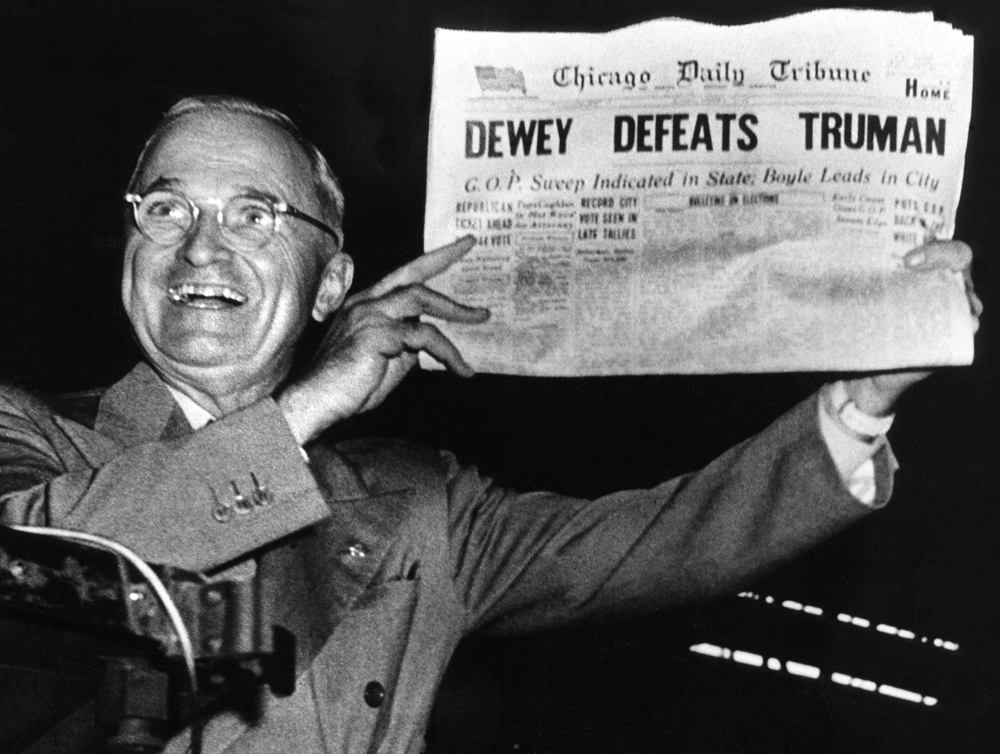
Earlier this week, the Internet was quivering with a “discovered” news story about Apple’s new proprietary screw that would make it difficult for anyone without a special tool to pry open the case of a product. So what’s the problem?  The story didn’t have even a shred of truth. A company in Sweden merely posted an image as bait and watched with amusement as the reporters, pundits and fans created a writhing mass of information sharing.

The rush to be first to report isn’t unique to the Internet. Neither is error created through failure to adequately and correctly confirm through sources. Recall the famous Woodward and Bernstein gaffe about Haldeman and GOP re-election funds. Both examples however, also illustrate the fascinating pattern-matching abilities we have. The account of being duped by the purported Apple screw image in ReadWrite Web shows how easily we filter information based on the assumptions that we already have. That is what the Internet makes so incredibly simple for everyone – surrounding us with so much that our pattern-matching remains on high alert for those aha! moments when what we think we know is confirmed.

Teaching students the difference between peer-reviewed and popular information simply isn’t enough. While many tout the value of information literacy, and it is a path to apprehending this world, much of the focus is on examining the characteristics of the information as a way to determine its authority. But perhaps just as important is focusing on cognitive self awareness and the patterned assumptions that instantly make some bit of information appear a bit brighter, a bit more interesting in the turbulent sea of data in which we swim.

Books and DNA

It happens more quickly now. The it is an observation, conversation, published research, tweet, chance encounter that reveals yet another way that zeros and ones, the binary digital world, reveals itself changing our expectations. Yesterday afternoon it was the revelation of a library in a test tube. Thank you Watson and Crick.

The laboratory as a library?

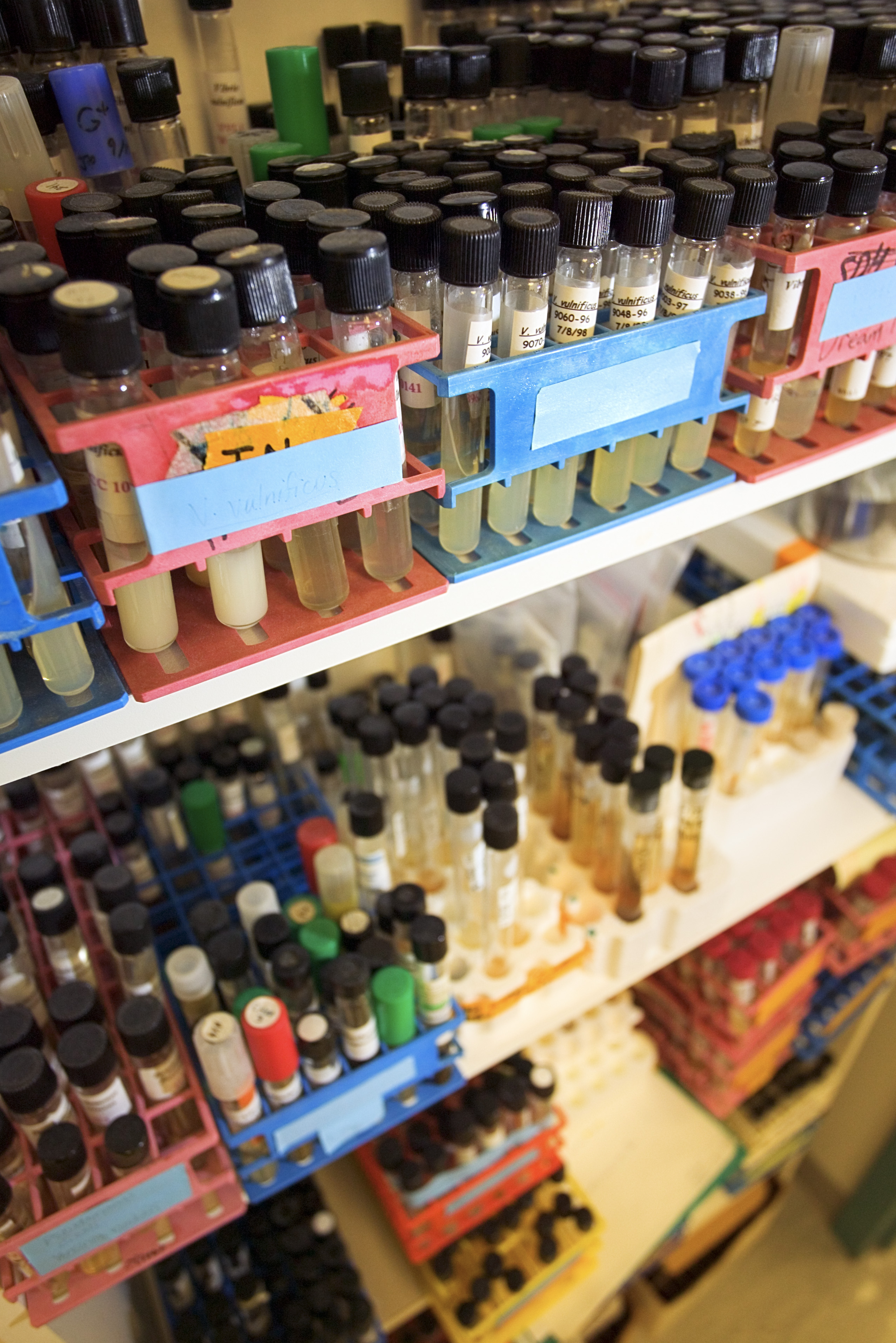
And this wasn’t a trip into sci-fi literature. It was the Wall Street Journal – yes, the authoritative source of all news financial and not especially prone to flights of fancy other than an occasional gush over an impending IPO. With the low-key, but significant headline of Future of Data:Encoded in DNA, a story describes the successful efforts of a Harvard research team to translate a book on genomic engineering into actual DNA. The book would have required the digital space of a 3.5 inch floppy disk (if you immediately visualize this, realize that you are old), but instead fit comfortably into a small laboratory vial. After encoding the book into DNA, the words, illustrations and computer code all reducible to zeros and ones, the researchers read it back into a digital format ready for a print publisher.