It’s the 50th anniversary of Thomas Kuhn’s The Structure of Scientific Revolutions this month. In the midst of Higgs Boson, Curiosity on Mars, MOOCs and encoding books as DNA, it seems like a great time to read it again.
Paradigm shifting
Reply

It’s the 50th anniversary of Thomas Kuhn’s The Structure of Scientific Revolutions this month. In the midst of Higgs Boson, Curiosity on Mars, MOOCs and encoding books as DNA, it seems like a great time to read it again.
In the eighties, publishers and media companies talked incessantly about synergy among their various products. Disney was (and remains) a master – movies begat toys and amusement rides while amusement rides begat movies, costumes, more toys and books. Creating content was expensive and profits were much better when that content could be re-purposed in as many ways for as many potential audiences as possible. But throughout that period and until lately, such efforts focused on the trade and consumer markets. Now the New York Times alerts us to developments in the latest hot market for media companies – the K-12 classroom.
The textbook is becoming the Techbook according to the Discovery Channel. Yes, the cable regular (and News Corp) is moving beyond streaming video to creating a variety of highly interactive texts designed to engage students and expand market share. Reporters Brooks Barnes and Amy Chozick tell us that given the declining revenues of media companies, “Education is emerging as an answer, largely because executives see a way to capitalize on the changes that technology is bringing to classrooms — turnabout as fair play, given the way that the Web has upended major media’s own business models.”
Every year at this time, many college and university campuses come to life after a fairly dormant summer. Hundreds, and in some places thousands, of new first years or frosh begin their journey toward a baccalaureate degree. Increasingly those students will arrive having experienced years of a digitally-enhanced (or at least infused) educational experience that will no longer be evident once they matriculate to higher learning. The disconnect between cable channel versions of a high school textbook and one that has been authored by a faculty member for a university seminar is going to loom very large indeed.
 Earlier this week, the Internet was quivering with a “discovered” news story about Apple’s new proprietary screw that would make it difficult for anyone without a special tool to pry open the case of a product. So what’s the problem? The story didn’t have even a shred of truth. A company in Sweden merely posted an image as bait and watched with amusement as the reporters, pundits and fans created a writhing mass of information sharing.
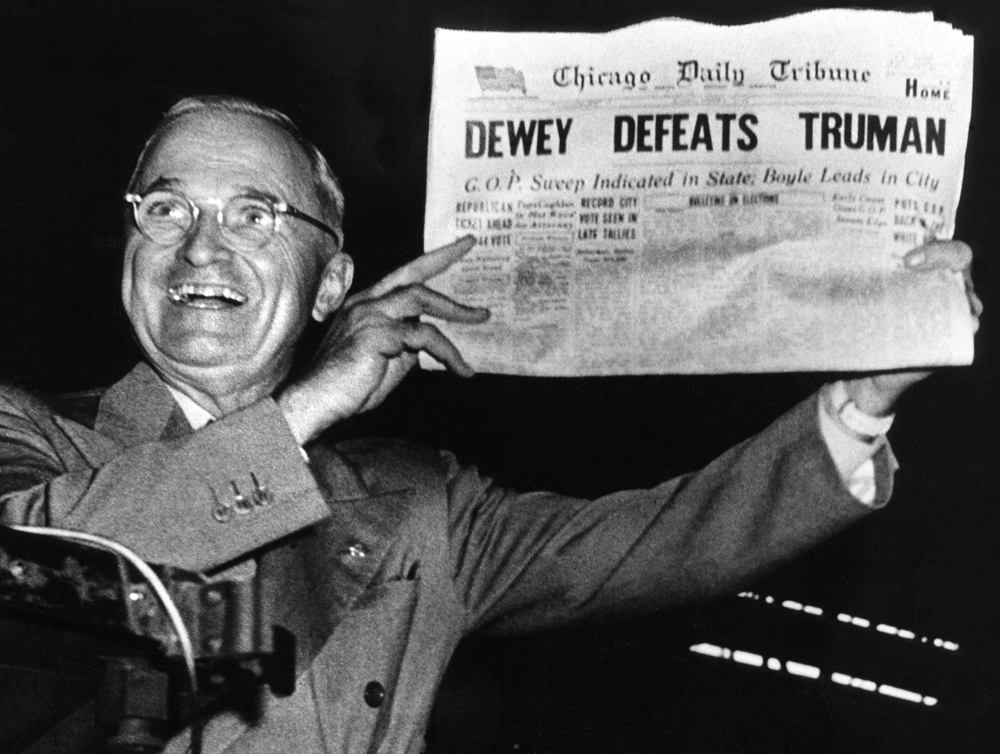
The rush to be first to report isn’t unique to the Internet. Neither is error created through failure to adequately and correctly confirm through sources. Recall the famous Woodward and Bernstein gaffe about Haldeman and GOP re-election funds. Both examples however, also illustrate the fascinating pattern-matching abilities we have. The account of being duped by the purported Apple screw image in ReadWrite Web shows how easily we filter information based on the assumptions that we already have. That is what the Internet makes so incredibly simple for everyone – surrounding us with so much that our pattern-matching remains on high alert for those aha! moments when what we think we know is confirmed.
Teaching students the difference between peer-reviewed and popular information simply isn’t enough. While many tout the value of information literacy, and it is a path to apprehending this world, much of the focus is on examining the characteristics of the information as a way to determine its authority. But perhaps just as important is focusing on cognitive self awareness and the patterned assumptions that instantly make some bit of information appear a bit brighter, a bit more interesting in the turbulent sea of data in which we swim.
 Digital Today