
An attic for everyone

Data and information are swamping us.  So what – that’s old news, you say. But if you’re on the data service providing end at a college or university, you are only too aware of the insatiable storage demands of your clientele. The cause is simple – the handy, obvious physical restraints of the past are gone. Remember file cabinets stuffed from front to back and books piled on the floor when the shelves were filled? With the exception of true hoarders, we determined what to keep and what to discard on a rolling basis over time.

The digital world entices us with freedom from physical constraints. Much like Groundhog Day, our digital lives unfold in an endless pattern of create, acquire and save that occurs without deterrents. The cost of choosing what to keep and what to trash is much too high – it requires what is now most rare – our focused attention. So we never actually delete.  We might curate, but that only brings some things into focus; the others remain waiting in the background. Editing happens with revision histories, not wadded papers discarded in the bin. Emails marked as read continue scrolling downward into a deepening well of messages. Meanwhile your local data center struggles to satisfy the insatiable demand for storage.

Amazon announced Glacier today offering 1 GB for 1 penny per month. Lease as much as you need for a very low price. The catch – it is named appropriately. It is archive storage. If you want to retrieve something, plan on it taking hours rather than minutes.  But this seems to be a reasonable decision point that all of us could make as we confront our data – put it into the attic or leave it out in the room.
MTV Algebra and Lifetime History

In the eighties, publishers and media companies talked incessantly about synergy among their various products. Disney was (and remains) a master – movies begat toys and amusement rides while amusement rides begat movies, costumes, more toys and books.  Creating content was expensive and profits were much better when that content could be re-purposed in as many ways for as many potential audiences as possible. But throughout that period and until lately, such efforts focused on the trade and consumer markets. Now the New York Times alerts us to developments in the latest hot market for media companies – the K-12 classroom.

The textbook is becoming the Techbook according to the Discovery Channel.  Yes, the cable regular (and News Corp) is moving beyond streaming video to creating a variety of highly interactive texts designed to engage students and expand market share. Reporters Brooks Barnes and Amy Chozick tell us that given the declining revenues of media companies, “Education is emerging as an answer, largely because executives see a way to capitalize on the changes that technology is bringing to classrooms — turnabout as fair play, given the way that the Web has upended major media’s own business models.”

Every year at this time, many college and university campuses come to life after a fairly dormant summer. Hundreds, and in some places thousands, of new first years or frosh begin their journey toward a baccalaureate degree. Increasingly those students will arrive having experienced years of a digitally-enhanced (or at least infused) educational experience that will no longer be evident once they matriculate to higher learning. The disconnect between cable channel versions of a high school textbook and one that has been authored by a faculty member for a university seminar is going to loom very large indeed.

Sourcing patterns

Earlier this week, the Internet was quivering with a “discovered” news story about Apple’s new proprietary screw that would make it difficult for anyone without a special tool to pry open the case of a product. So what’s the problem?  The story didn’t have even a shred of truth. A company in Sweden merely posted an image as bait and watched with amusement as the reporters, pundits and fans created a writhing mass of information sharing.

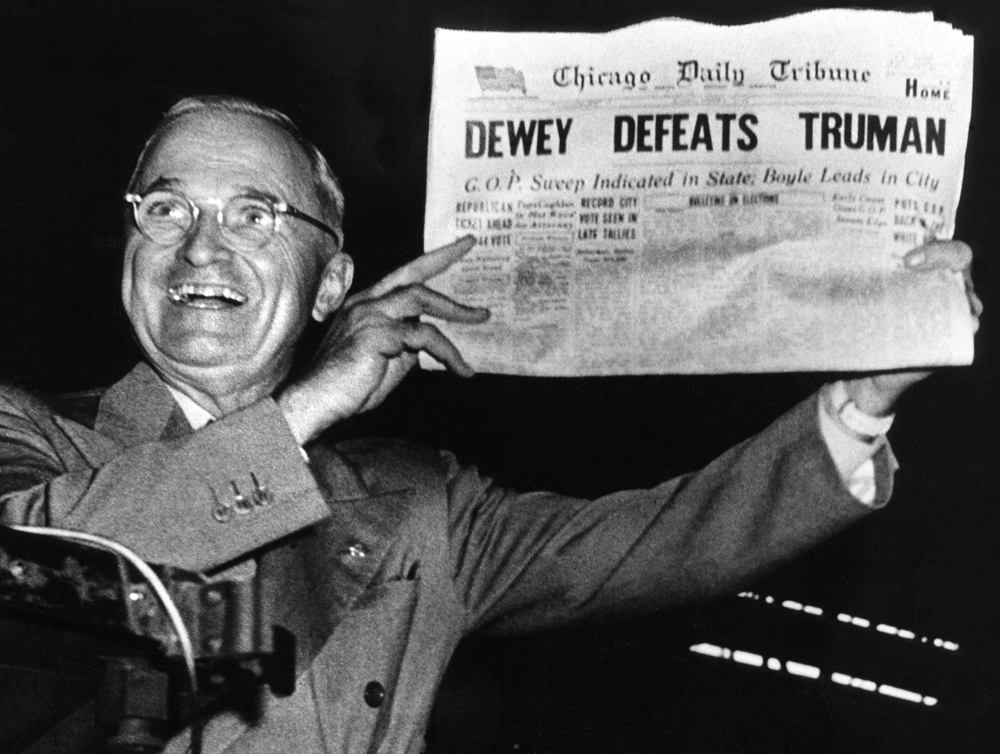
The rush to be first to report isn’t unique to the Internet. Neither is error created through failure to adequately and correctly confirm through sources. Recall the famous Woodward and Bernstein gaffe about Haldeman and GOP re-election funds. Both examples however, also illustrate the fascinating pattern-matching abilities we have. The account of being duped by the purported Apple screw image in ReadWrite Web shows how easily we filter information based on the assumptions that we already have. That is what the Internet makes so incredibly simple for everyone – surrounding us with so much that our pattern-matching remains on high alert for those aha! moments when what we think we know is confirmed.

Teaching students the difference between peer-reviewed and popular information simply isn’t enough. While many tout the value of information literacy, and it is a path to apprehending this world, much of the focus is on examining the characteristics of the information as a way to determine its authority. But perhaps just as important is focusing on cognitive self awareness and the patterned assumptions that instantly make some bit of information appear a bit brighter, a bit more interesting in the turbulent sea of data in which we swim.

Books and DNA

It happens more quickly now. The it is an observation, conversation, published research, tweet, chance encounter that reveals yet another way that zeros and ones, the binary digital world, reveals itself changing our expectations. Yesterday afternoon it was the revelation of a library in a test tube. Thank you Watson and Crick.

The laboratory as a library?

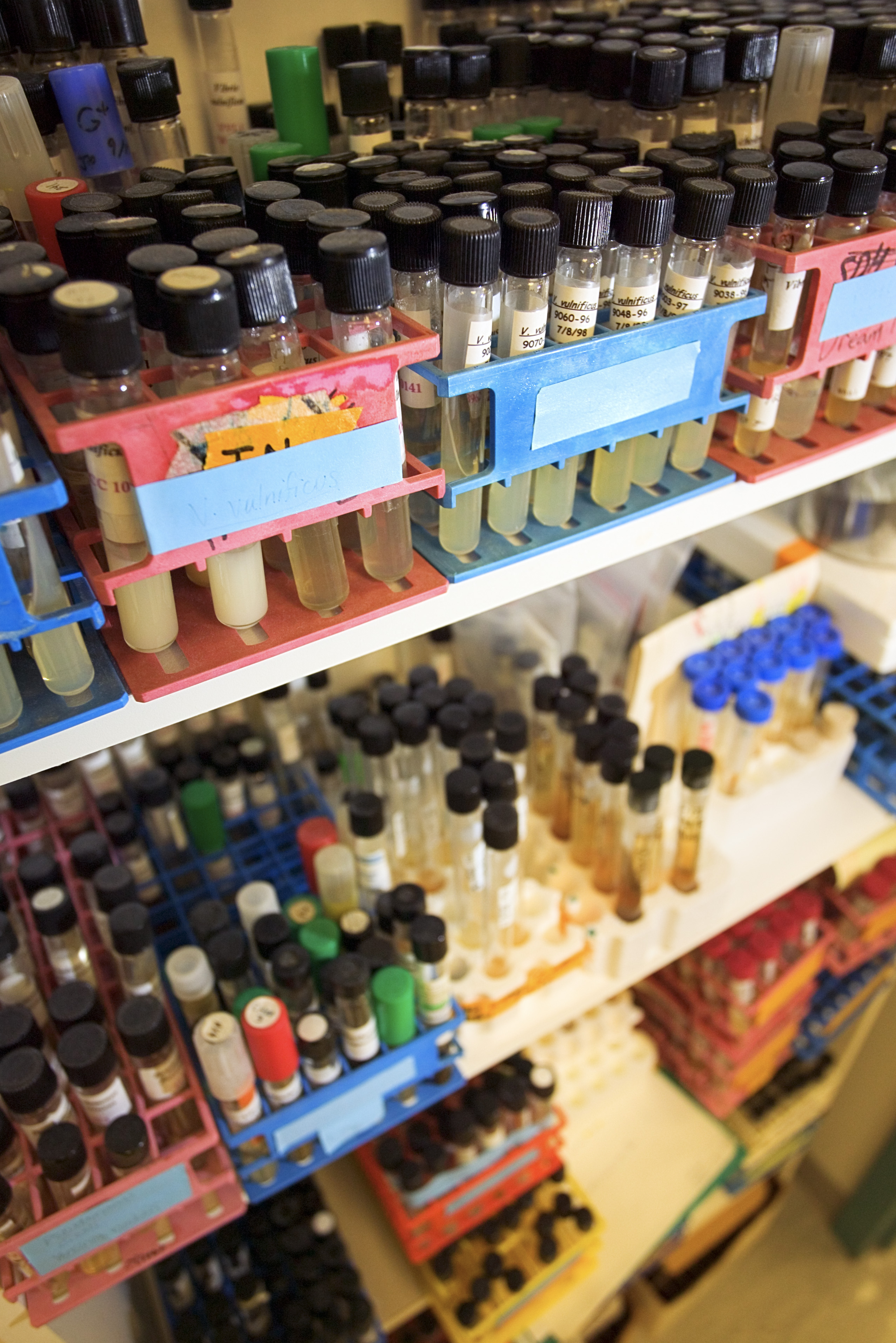
And this wasn’t a trip into sci-fi literature. It was the Wall Street Journal – yes, the authoritative source of all news financial and not especially prone to flights of fancy other than an occasional gush over an impending IPO. With the low-key, but significant headline of Future of Data:Encoded in DNA, a story describes the successful efforts of a Harvard research team to translate a book on genomic engineering into actual DNA. The book would have required the digital space of a 3.5 inch floppy disk (if you immediately visualize this, realize that you are old), but instead fit comfortably into a small laboratory vial. After encoding the book into DNA, the words, illustrations and computer code all reducible to zeros and ones, the researchers read it back into a digital format ready for a print publisher.